
Live Chat +91-9811561566

NRI Cheque Bounce Lawyer

  • Specialised legal assistance for NRI cheque bounce cases ensuring effective representation under Section 138 in India.
Chat on WhatsApp  +91-9811561566
Get A Free Consultation

When someone is accused of bouncing an NRI Cheque under Section 138 of the NI Act, it can be very stressful because the person is often living, working, or settled outside of India while the case is going on in an Indian court. If you don't handle a simple Cheque from India for rent, business, a family loan, a credit card, or an EMI on time, it could turn into a Cheque dishonor complaint, a summons, and warrants.

A lot of NRIs and Indians living abroad only find out about a Bounced Cheque case when they get a call from a bank, a message from family, a LOC alert, or are stopped at an Indian airport. If you miss court dates, have old addresses, don't serve notices, or have informal settlement talks, your case could get worse while you're away. It's very hard to handle all of this from another country without help from people who live there.

Cheque Bounce Lawyer helps NRIs and Indians living outside of India deal with cheque bounce cases in Delhi and the National Capital Region with as few trips as possible. We look at the complaint, bank memos, notices, and court orders, and then we make a plan that covers everything from showing up in court to applying for an exemption, getting bail, settling the case, compounding the case, appealing, and quashing the case when it's appropriate. Our main goal is to keep you safe in India while you work, run your business, and spend time with your family abroad.

Section 138 of the NI Act deals with NRI Cheque bounce cases.

A non-resident Indian or an overseas Indian's Cheque bounces, and the person who was supposed to get the money files a criminal complaint in an Indian court under Section 138 of the NI Act. The court can still issue summons, bailable warrants, and even non-bailable warrants if you don't show up for court, even if you live in another country.

At Cheque Bounce Lawyer, we help non-resident Indians (NRIs) understand their exact legal situation in India, the status of their case, and the options they have, such as contesting, settling, compounding, appealing, or seeking quashing. We work with you over email, phone, and video calls, set up authorized representatives, and only plan travel when absolutely necessary. This way, your trips to India are limited and have a clear purpose.

Chat on WhatsApp  +91-9811561566
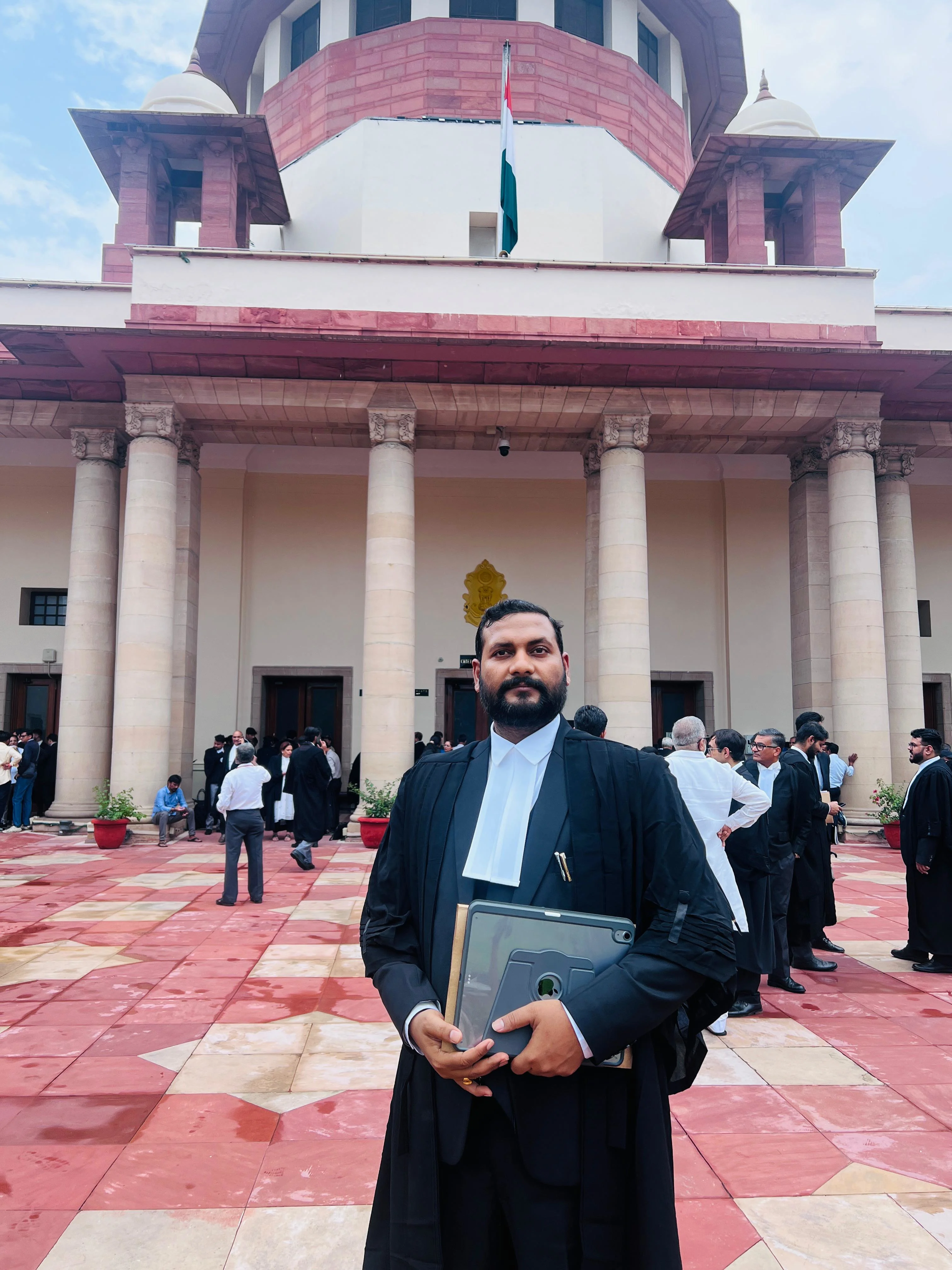
NRI Cheque Bounce Cases Lawyer in Delhi

What We Do to Help with NRI Cheque Bounce Cases

Cheque Bounce Lawyer offers full legal support for NRIs in Delhi NCR who are dealing with cheque bounce cases. This includes checking the status of the case, making arrangements for representation, and handling bail, exemptions, settlements, compounding, and the final closure of Section 138 NI Act proceedings.

What to Know About NRI Cheque Bounce Cases

NRI cheque bounce cases mix Indian criminal law with problems that come up when people cross borders. The right response appearance through an attorney, exemption, settlement, defense, or quashing depends on the transaction history, the documents, the stage of the court case, and your long-term plans in India. Before doing anything, you need to fully understand how Section 138 of the NI Act applies to NRIs.

Important Things to Know About NRI Cheque Bounce Cases:

Most of the time, NRI cheque bounce cases under Section 138 NI Act have one or more of the following problems:

  • Checks that bounce after being written in India for rent, EMIs, credit cards, business, or family loans.
  • Notices and summons sent to old Indian addresses while you are living in another country.
  • Several cases have been filed about different checks that are all connected to the same loan or transaction.
  • It's hard to go to court often because of work contracts, visas, and travel costs.
  • There are also civil or recovery actions going on at the same time as the cheque bounce complaint.
  • Risk of warrants, If you keep missing hearings, look out for circulars or bad orders.

Our Strategic Approach to NRI Cheque Bounce Cases:

  • Making a detailed timeline of the transaction, the Cheque being issued, the dishonor, the notices, and the payments from your point of view.
  • Checking the exact status of each case in the Delhi courts and looking for any warrants or orders that force people to do something.
  • Giving you advice on whether to defend yourself on the merits, settle, compound, appeal, or quash your case.
  • Arranging permissions and court appearances in a way that makes your life abroad less stressful.
  • Giving you clear written updates after every important court date or event.

Common Situations in NRI Cheque Bounce Cases

NRI cheque bounce complaints often arise from life changes - relocation abroad, business closure, job loss, medical emergencies or family disputes. Recognising these patterns helps you prepare documents and explanations that make sense to the court and support your chosen path: settlement or full defence.

Typical NRI Cheque Bounce Scenarios:

  • Security cheques given to banks or finance companies before moving abroad, later presented and bounced.
  • Post-dated rent or deposit cheques for Indian property after the tenant or landlord shifts overseas.
  • Business partnership or vendor cheques issued in India while the NRI partner subsequently relocates.
  • Family loan cheques issued during visits to India, followed by disputes about the amount or repayments.
  • Credit card, overdraft or personal loan cheques that bounce after job loss or income disruption abroad.
  • Multiple branches or collection agencies filing cheque dishonour complaints on the same NRI borrower.

What We Examine Before Advising NRIs:

  • Copies of cheques, bank return memos, demand notices and any email or message acknowledgements.
  • Your current passport, visa status, residence permit and employment contract commitments.
  • Proof of prior payments, settlement emails or restructuring offers made to the complainant.
  • The number of pending cases, amounts involved and whether there is double recovery for the same debt.
  • Your long-term plans regarding travel to India, property, business and banking relationships here.

How We Prepare You for NRI Cheque Bounce Hearings:

  • Explaining what typically happens in first appearance, bail, evidence and settlement hearings.
  • Advising what documents to carry when you do come to India, so that key steps are completed in limited visits.
  • Helping you coordinate with family or trusted representatives in India so practical matters are handled smoothly.

Your Rights When NRI Checks Bounce

Even if you live outside India, you have clear legal rights in an NRI cheque bounce case the right to be represented, to seek bail, to request exemption from personal appearance, to negotiate settlement and to defend or contest the complaint on merits. Knowing these rights helps you stay calm instead of acting out of fear or confusion.

Right to Representation without Having to Travel a Lot

As an NRI accused, you can ask the court to let you have an authorized representative and not have to show up in person on regular dates, as long as the law allows it.

The right to bail and protection from arrest

If there are summons or warrants in your NRI cheque bounce case, you can ask for bail and make your appearance regular, as long as you work with the court.

Right to Settlement, Compounding, and Closure

You have the right to look into legal settlements and compounding of NRI cheque bounce cases so that criminal cases can be settled once and for all.

Right to Fair Trial and Dignity

As an NRI accused, you are entitled to fair trial standards, respectful treatment and clear communication of orders, just like any other person facing a cheque bounce complaint in India.

FAQs - NRI Cheque Bounce Cases & Section 138 NI Act

Yes. If a Cheque you wrote from an Indian bank account isn't honored and you follow the rules of Section 138 of the NI Act, you can file a Cheque bounce complaint in an Indian court even if you live abroad now. However, Power of Attorney, exemptions, and planned visits can change how you are served, represented, and expected to show up.

Arrest risk depends on whether summons or warrants have been issued and whether any Look Out Circular (LOC) exists. In many cases, you can minimise risk by proactively addressing the case before travelling checking the status, moving for bail or recall of warrants and regularising your appearance with the help of a cheque bounce lawyer in Delhi.

Not usually. Courts often allow NRIs to be represented through an authorised person and grant exemption from personal appearance on routine dates, as long as you appear when required for important stages like plea, evidence or statement, and you cooperate fully. We help you obtain such exemptions and manage your presence in a way that fits your travel schedule.

In many matters, yes. You can often set up settlement talks, review drafts, and make payments from abroad using secure channels. Once terms are finalised, you may need to attend key hearings or sign documents, but the number of visits can be kept limited. We plan the process so that your travel is aligned with important court dates and final compounding or quashing orders.

If the cheque was drawn on a bank branch in Delhi or other jurisdictional conditions are satisfied, the complaint will generally be filed before a Delhi magistrate court. Related appeals and quashing petitions are heard by the Sessions Court and Delhi High Court. Cheque Bounce Lawyer regularly appears before these courts on behalf of NRI clients in cheque bounce matters.
​