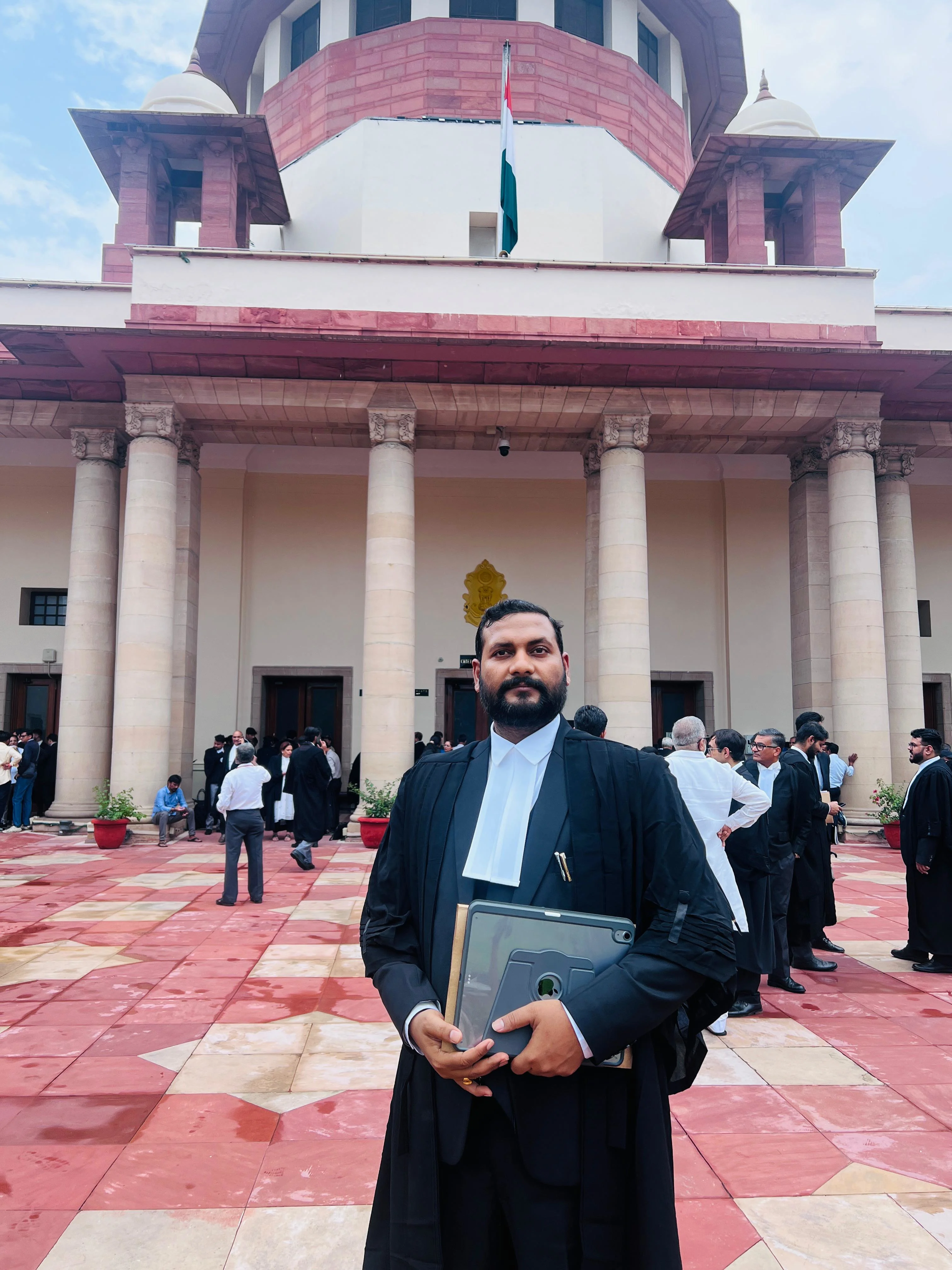
When a cheque bounce dispute moves to the Delhi High Court, the case usually involves a higher level of legal scrutiny, tighter drafting standards, and arguments that focus on jurisdiction, legality of procedure, and the correctness of orders passed by courts below. "Cheque Bounce Lawyer for Delhi High Court" provides dedicated legal support for matters connected with Section 138 of the Negotiable Instruments Act, 1881 where parties approach the Delhi High Court for appropriate relief, including challenging adverse orders, seeking protection in urgent situations, or resolving procedural and legal complications that arise during the course of litigation. Led by Advocate BK Singh, our team prepares a strong High Court brief with a clear case narrative, accurate documentation, and a practical strategy that prioritises lawful outcomes, time-bound action, and credible representation.
A cheque dishonour case may start with a statutory notice and then proceed before the Magistrate under Section 138, but many matters later require intervention at the Delhi High Court because of legal irregularities, disputed procedure, or the need for timely protection. High Court litigation is not about repeating the entire trial story. It is about presenting the right legal grounds, supporting them with the correct record, and pursuing relief that fits the facts and the law. This is why choosing a specialised "Cheque Bounce Lawyer for Delhi High Court" becomes important.
With Advocate BK Singh guiding the process, we approach Delhi High Court cheque bounce matters with precision and clarity. We identify the exact legal issue that needs the High Court's attention, organise documents in a clean and verifiable manner, and argue with a disciplined focus on relief, legality, and fairness. Whether you are a complainant seeking meaningful enforcement or an accused seeking protection against an unjust or disproportionate order, we work toward a strong High Court strategy that is practical, defensible, and time-sensitive.
Chat on WhatsApp +91-9811561566
Delhi High Court matters in cheque bounce litigation demand careful selection of grounds, consistent dates, proper annexures, and a clear understanding of what relief is legally maintainable. The "Cheque Bounce Lawyer for Delhi High Court" team handles the complete workflow including case assessment, record organisation, drafting and filing support, and effective arguments focused on legality, procedure, and proportional relief. We also support settlement-driven closure where appropriate, ensuring that terms are clear, enforceable, and aligned with ongoing proceedings so that the dispute ends without future surprises.
Practical negotiation support aimed at clean closure in Delhi High Court linked cheque bounce disputes. We structure settlement terms with strong documentation, clear payment milestones, and protective conditions so that the agreement remains workable and reduces the risk of further litigation.
High Court practice requires disciplined drafting. We prepare petitions and applications with accurate chronology, relevant annexures, and focused legal grounds so that the matter is presented clearly and efficiently without avoidable defects or confusion.
We align your High Court approach with the core framework of Section 138 and the presumption under Section 139, while addressing the procedural and legal issues that commonly arise during litigation. Our method is record-first and argument-focused, so your matter remains structured and credible throughout.
Clear fee structure, defined case milestones, and regular updates for clients across Delhi-NCR and outside Delhi who require representation in Delhi High Court cheque bounce related litigation. We keep the process organised, explain the legal route in simple terms, and plan every step with documentation and deadlines in mind.
Cheque dishonour disputes generally arise when a cheque issued toward a legally enforceable debt or liability is returned unpaid and the statutory steps are followed. In Delhi High Court related proceedings, the focus commonly remains on whether the law was applied correctly, whether the procedure was fair, and whether the orders passed in the case are legally sustainable on the available record. Upon conviction, courts may impose imprisonment up to two years, a fine up to twice the cheque amount, or both, depending on the facts.
Our team examines the statutory notice trail, limitation compliance, and the procedural history of the case to identify the strongest legal points for Delhi High Court consideration. We organise the record in a clear manner and present arguments that focus on legality, maintainability, and correct application of Section 138 requirements to the facts of your case.
Section 139 places an initial presumption in favour of the holder that the cheque was issued for a legally enforceable debt or liability. In Delhi High Court proceedings, disputes often revolve around whether the presumption was properly applied, whether defence material was appreciated correctly, and whether findings are consistent with law and record. A well-structured brief and consistent documentation help present these issues clearly.
A cheque bounce occurs when a bank returns a cheque unpaid. Common reasons include insufficient funds, account closed, stop-payment instructions, signature mismatch, and exceeds arrangement. If the statutory steps and timelines are followed, the matter may attract Section 138 of the Negotiable Instruments Act, 1881. This page is prepared for clients seeking "Cheque Bounce Lawyer for Delhi High Court" support when their dispute involves High Court proceedings or requires legal intervention connected with ongoing cheque bounce litigation.
Section 138 is the principal provision governing cheque dishonour in India. When a cheque issued toward a legally enforceable debt or liability is returned unpaid for reasons such as insufficient funds, account closed, or stop-payment, and the statutory steps are met, criminal liability can arise. In Delhi High Court proceedings related to cheque bounce disputes, arguments usually focus on legality, proper procedure, and whether orders require correction on the basis of the record. This guidance is prepared for clients of "Cheque Bounce Lawyer for Delhi High Court" seeking High Court level support and case clarity.
While cheque bounce cases are primarily prosecuted under the Negotiable Instruments Act, certain disputes also involve parallel allegations under the Bharatiya Nyaya Sanhita, 2023 depending on facts, intent, and documentary proof. In Delhi High Court matters, these issues may surface where parties allege deception, misuse of trust, or additional criminal ingredients beyond the cheque dishonour itself. Each allegation is tested separately on legal requirements and evidence.
If the cheque transaction is alleged to be part of a dishonest plan, parties may invoke BNS section 318, corresponding to the earlier IPC section 420. In Delhi High Court proceedings, the focus typically remains on whether the allegations and material meet the legal threshold required for the offence and whether such prosecution is justified on the case record.
In relationships involving entrustment such as partnership dealings, agency, or fiduciary arrangements, alleged misappropriation may attract BNS section 410, corresponding to the earlier IPC section 406. In Delhi High Court disputes, the question often turns on documentary proof of entrustment, control, and conduct, and whether the legal ingredients are actually satisfied.