
Live Chat +91-9811561566

Cheque Bounce Lawyers For Rohini Court

  • Reliable legal representation for cheque bounce cases in Rohini Court ensuring timely action and strong legal defence.
Chat on WhatsApp  +91-9811561566
Get A Free Consultation

If you have a cheque bounce case listed in Rohini Court, Delhi, "Cheque Bounce Lawyer for Rohini Court" provides trusted and professional legal support. Our experienced cheque bounce lawyers for Rohini Court, led by Advocate BK Singh, assist at every step of the process whether you are the drawer whose cheque was dishonoured or the payee seeking recovery. Services include drafting statutory legal notices, filing complaints under Section 138 of the Negotiable Instruments Act, 1881, and effective representation before Rohini District Courts to protect your financial rights and achieve a timely resolution.

Cheque Bounce Lawyer for Rohini Court - Expert Legal Assistance

A cheque bounce dispute may appear to be a small banking issue, but in India it can quickly become a serious legal matter under Section 138 of the Negotiable Instruments Act, 1881. Many payees struggle to recover dues after dishonour. This is where a dedicated cheque bounce lawyer for Rohini Court from "Cheque Bounce Lawyer for Rohini Court" can help.

With Advocate BK Singh leading the team, we deliver focused legal services for cases filed at Rohini District Court, Delhi. We prioritise timely drafting of statutory notices, filing complaints within limitation, and persuasive courtroom representation to safeguard your rights and secure recovery.

Chat on WhatsApp  +91-9811561566
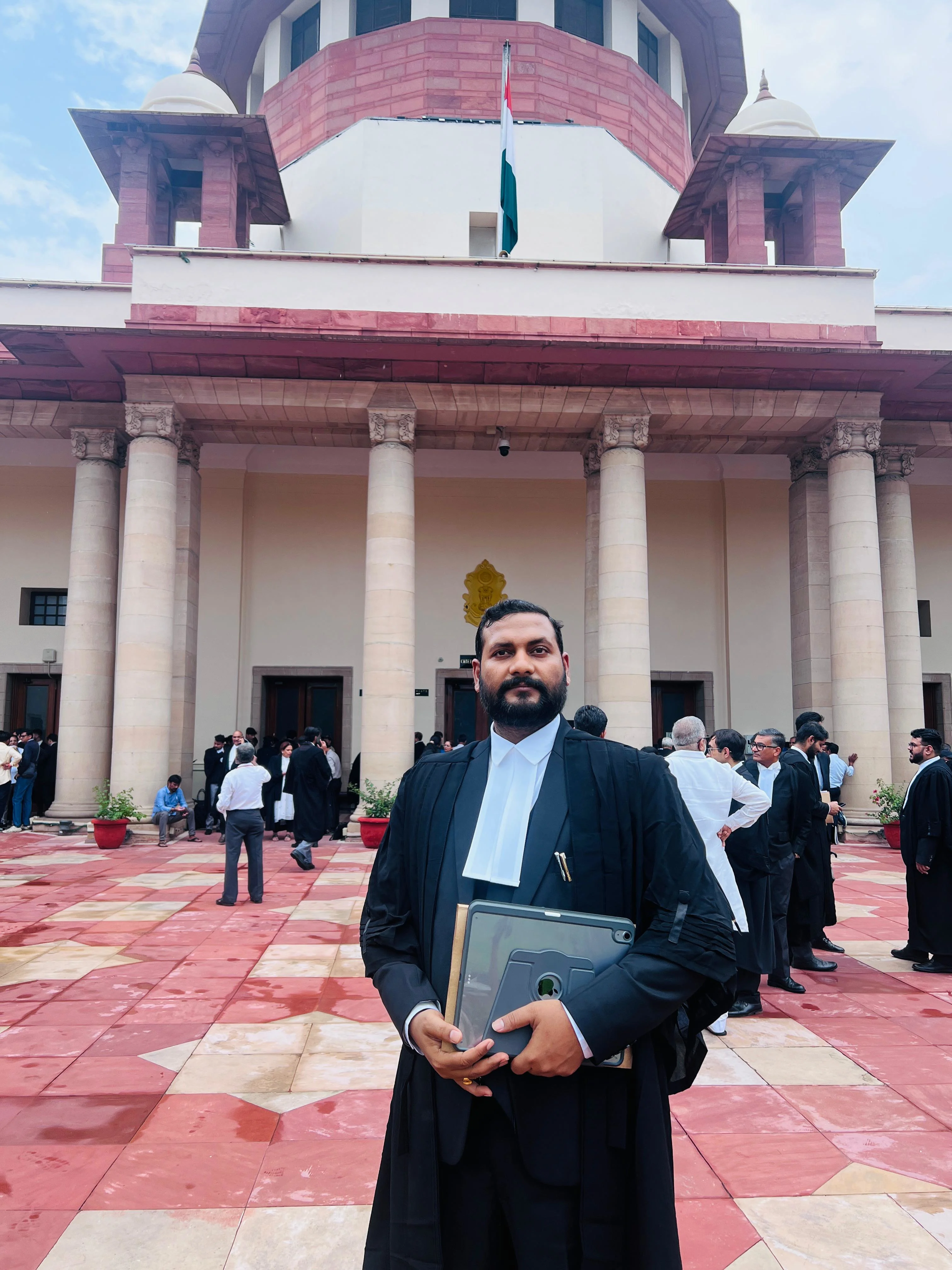
Cheque Bounce Lawyer in Delhi
Cheque Bounce Lawyer in Dwarka Court Cheque Bounce Lawyer in Rohini Court Cheque Bounce Lawyer in Tis Hazari Court Cheque Bounce Lawyer in Patiala House Court Cheque Bounce Lawyer in Ghaziabad District Court Cheque Bounce Lawyer in Faridabad Court Cheque Bounce Lawyer in Gurugram Court Cheque Bounce Lawyer in Surajpur Court Cheque Bounce Lawyer in Karkardooma Court

Get in Touch with Expert Cheque Bounce Lawyers for Rohini Court, Delhi

A cheque bounce can escalate into a criminal case under Section 138 of the Negotiable Instruments Act, 1881. The "Cheque Bounce Lawyer for Rohini Court" team manages the entire workflow for Rohini District Courts in Delhi - drafting and serving the statutory notice, filing the complaint within limitation, and representing you before the competent Metropolitan Magistrate - whether you seek recovery or require a strong defence.

Skilled negotiation

Assertive advocacy with practical settlement strategies adapted to Rohini Court practice, including compounding where appropriate. We craft enforceable instalment terms and default clauses that protect your interests, while remaining fully trial-ready if mediation does not succeed.

Timely drafting

Statutory demand notices are prepared and dispatched within 30 days from dishonour, demanding payment within 15 days and preserving your right to file a Section 138 complaint on time in Rohini Court.

Deep NI Act knowledge

From the 30-15-30 timeline and jurisdiction rules under Section 142 amendments to evidence curation such as cheque, return memo, notice, service proof, invoices and ledgers, we keep your case procedurally sound and courtroom-ready for Rohini District Courts.

Clear and affordable

Transparent fees, clear milestones, and regular updates for individuals, professionals, and businesses across Delhi-NCR with a focus on Rohini, plus nearby jurisdictions including Dwarka, Tis Hazari, Patiala House, Ghaziabad, Faridabad, Gurugram, and Surajpur.

Key legal provisions for cheque bounce cases

This section covers cheque dishonour matters arising from cheques issued toward a legally enforceable debt or liability. Rohini Court facing clients receive correctly drafted notices served on time. Upon conviction, courts may impose imprisonment up to two years, a fine up to twice the cheque amount, or both, depending on the facts.

Section 138 - Dishonour of cheque (Negotiable Instruments Act, 1881)

Our Delhi team evaluates case facts, guides you through each statutory step, and ensures compliance with timelines so that your complaint is maintainable before the Metropolitan Magistrate at Rohini Courts. The focus is on swift recovery or, where needed, a robust defence supported by admissible documents and witness strategy.


Section 139 - Presumption in favour of holder

Section 139 creates a legal presumption that the cheque was issued for a legally enforceable debt or liability. The initial burden shifts to the drawer to rebut this presumption with credible evidence. Accurate notices, comprehensive records, and consistent testimony help you leverage this presumption in Rohini Court.


The team uses this presumption strategically to strengthen the case and accelerate resolution through settlement or judgment.

What is a cheque bounce case - understanding the basics

A cheque bounce occurs when a bank returns a cheque unpaid. Common reasons include insufficient funds, account closed, stop-payment instructions, signature mismatch, and exceeds arrangement. Once the statutory steps and timelines are followed, the matter can amount to an offence under Section 138 of the Negotiable Instruments Act, 1881. This page is tailored for clients of "Cheque Bounce Lawyer for Rohini Court" handling matters at Rohini Courts, Delhi.

Steps to file a case under Section 138

  • Present the cheque within its validity period, generally three months from the cheque date unless otherwise printed by the bank.
  • On dishonour, issue a statutory demand notice within 30 days of receiving the bank return memo, calling upon the drawer to pay within 15 days.
  • If payment is not made within the 15 days, file the criminal complaint before the Metropolitan Magistrate at Rohini Courts within the next 30 days.

Need help drafting the notice or filing the complaint with Rohini Court jurisdiction in mind? "Cheque Bounce Lawyer for Rohini Court" provides same-day notice drafting, end-to-end filing, defence, and settlement support across Delhi-NCR.

Legal provisions under Section 138 of the Negotiable Instruments Act, 1881

Section 138 is the principal provision governing cheque dishonour in India. When a cheque issued toward a legally enforceable debt or liability is returned unpaid for reasons such as insufficient funds, account closed, or stop-payment, and the statutory steps are met, criminal liability can arise. The aim is to uphold confidence in banking transactions. This guidance is prepared for clients of "Cheque Bounce Lawyer for Rohini Court" appearing before Rohini Courts.

Punishment for cheque bounce (Section 138 NI Act)

  • Imprisonment up to two years
  • Fine up to twice the cheque amount
  • Or both, depending on case facts

Conditions to invoke Section 138

  • The cheque was issued toward a legally enforceable debt or liability.
  • The cheque was presented within its validity period, generally three months from the cheque date unless otherwise printed by the bank.
  • A written statutory notice demanding payment was sent within 30 days of dishonour.
  • If the drawer fails to pay within 15 days of receiving the notice, a criminal complaint can be filed before the Metropolitan Magistrate at Rohini Courts within the next 30 days.

Drafted for "Cheque Bounce Lawyer for Rohini Court" end-to-end Section 138 notice, filing, defence, and settlement support for Rohini Court matters and across Delhi-NCR.

Relevant BNS sections often considered with cheque bounce disputes

While cheque bounce cases are prosecuted under the Negotiable Instruments Act, certain fact situations may also involve offences under the Bharatiya Nyaya Sanhita, 2023. These are evaluated separately based on evidence and intent, and may run in addition to Section 138 proceedings.

BNS Section 318 - Cheating and dishonestly inducing delivery of property

Where a dishonoured cheque is part of a wider plan of deception, courts may examine ingredients of cheating under BNS section 318, which corresponds to the earlier IPC section 420. Penalties can extend up to seven years of imprisonment and fine, subject to facts and proof of dishonest intent.

BNS Section 410 - Criminal breach of trust

In fiduciary settings such as partnerships, agency, or trusteeship, misappropriation of entrusted funds may attract BNS section 410, corresponding to the earlier IPC section 406. Punishment can include imprisonment and fine as per statute. The applicability of these provisions depends on documents, conduct, and the nature of entrustment.

FAQs about cheque bounce cases for Rohini Court (Section 138 NI Act)

After dishonour, obtain the bank return memo. Send a statutory legal notice to the drawer within 30 days of the memo, demanding payment within 15 days. If payment is not made, file the complaint under Section 138 within the next 30 days before the competent Metropolitan Magistrate at Rohini Courts.

On conviction, the drawer may face imprisonment up to two years, a fine up to twice the cheque amount, or both. Civil recovery can also be pursued for the principal amount and costs.

Yes. The offence is compoundable. Parties may settle at any stage. Upon filing a compromise application, the court can permit compounding and close proceedings.

Security cheques may still invite liability if presented against a legally enforceable debt or liability. Section 139 presumption assists the holder unless rebutted by credible defence evidence.

Duration depends on court workload and complexity. Summary trials aim for speed, but practical timelines can range from a few months to over a year. Proactive strategy and early mediation can shorten the process.
​