If your cheque bounces in Karkardooma Court, what you do next can affect how quickly and strongly your case moves forward. Cheque Bounce Lawyer helps both cheque issuers (drawers) and cheque recipients (payees) with structured, court-focused advice based on Section 138 of the Negotiable Instruments Act of 1881. Our team helps you stay within the right time limits, make the right documents, and avoid compliance gaps that could make your recovery or defense strategy less effective.
Are you dealing with a Bounced Cheque case connected to Karkardooma Court in East Delhi? Cheque Bounce Lawyer is a reliable legal service for both drawers and payees from start to finish. A Bounced Cheque can quickly lead to a stressful legal situation, especially when it comes to paying business debts, vendors, rent, or friendly loans. Our Karkardooma cheque bounce lawyers give you calm, practical advice and help you come up with a plan that fits your facts, documents, and the way the local court works.
Our team has more than 20 years of experience in criminal, civil, and business disputes. We have handled a lot of Section 138 cases in Karkardooma Court. We use an evidence-first approach based on the Negotiable Instruments Act of 1881 and courtroom-ready documents to help you get your money back through a strong notice-and-complaint system or to fight against an unfair or inflated complaint.
Chat on WhatsApp +91-9811561566
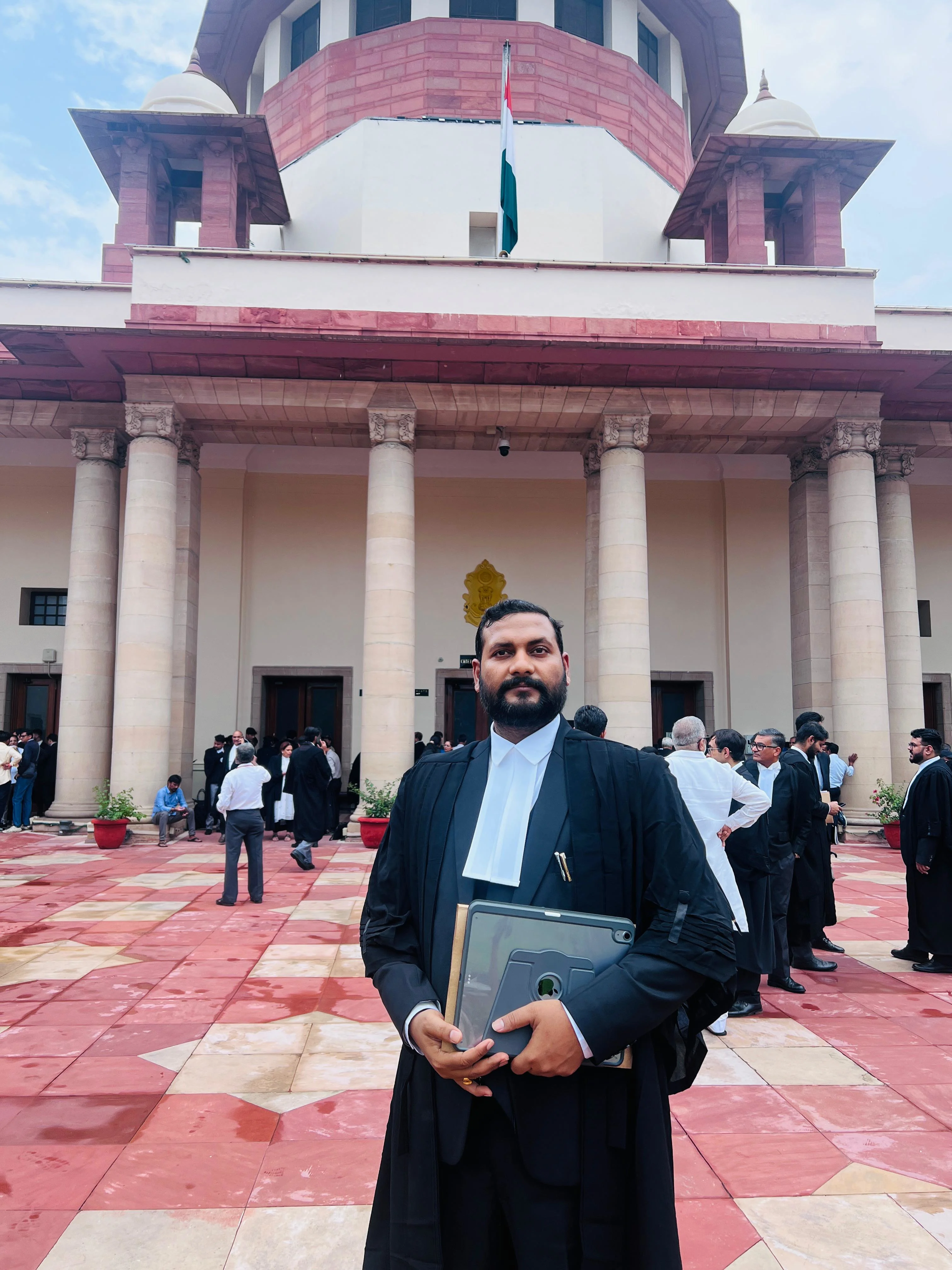
Our Cheque Bounce Lawyer team in Karkardooma Court works on Section 138 of the Negotiable Instruments Act, 1881. We handle everything, from writing and serving the statutory demand notice to keeping track of the 15-day payment window and filing a court-ready complaint on time. This organized approach cuts down on delays, stops technical mistakes, and makes your recovery or defense stronger in Karkardooma Court.
We look at whether cheating rules might apply when the facts show that someone was dishonest or trying to cheat from the start of the deal. If it's legal, this angle can go along with a Section 138 strategy. Our lawyers look over the paperwork, payment trail, WhatsApp/email conversations, and transaction history to see if adding these kinds of clauses is a good idea for getting faster, enforceable results.
We look at criminal breach of trust cases along with your Section 138 case if money or property was given to a fiduciary, partnership, or business and the trust was broken. This combined approach is used carefully and only based on facts and records. It can help with negotiation or defense planning in Karkardooma Court.
Do you need a lawyer for a Bounced Cheque case in Karkardooma Court? We at Cheque Bounce Lawyer work hard to build strong Section 138 cases by knowing the local courts and following the rules exactly. We take care of the whole process, from writing and serving the legal notice within 30 days of dishonor to managing the 15-day payment window and filing a properly documented complaint within the next 30 days if payment isn't made. This strict method keeps your case clean and ready for Karkardooma Court.
We look into adding cheating provisions to the Bharatiya Nyaya Sanhita (BNS) when there is enough proof that the person who wrote the cheque had dishonest intentions at the time. We still use a documentation-driven approach, but only when it helps your legal case without putting you at risk of procedural problems.
We look at criminal breach of trust cases under the BNS when there are business roles, entrusted funds, or fiduciary duties involved. This can help you get a better deal in Karkardooma Court if you have contracts, ledgers, invoices, and communication records to back it up.
Cheque Bounce Lawyer helps people who have bad Cheque that are in Karkardooma Court's jurisdiction. We use a structured approach to protect your legal rights and keep your case on track with local court rules and deadlines, no matter if you are a business owner, salaried professional, landlord, vendor, or private lender.
Section 138 of the Negotiable Instruments Act, 1881 makes it a crime to dishonor a cheque for a debt or obligation that is legally binding. The goal is to keep people from losing faith in payment systems and make sure that people are responsible for their business and personal finances.