If your cheque bounce matter has reached the Supreme Court of India, you need a focused strategy that aligns with Supreme Court procedure, strict limitation timelines, and well-curated records. "Cheque Bounce Lawyer for Supreme Court" provides end-to-end legal support for Section 138 NI Act related litigation at the Supreme Court stage including Special Leave Petitions, criminal appeals, challenges to conviction orders, and proceedings arising out of quashing, compounding, or settlement disputes. Our team, led by Advocate BK Singh, prepares a complete Supreme Court-ready paperbook, drafts precise petitions and applications, and argues for urgent interim relief where required, with clear case planning and continuous updates.
A cheque bounce case under Section 138 of the Negotiable Instruments Act, 1881 often begins before the Magistrate court, but complex matters can travel through revision and appeal and ultimately reach the Supreme Court. At this stage, outcomes depend heavily on the quality of the record, the framing of legal questions, and how effectively the petition fits within Supreme Court jurisdiction and maintainability norms. This is where a dedicated "Cheque Bounce Lawyer for Supreme Court" makes the difference.
With Advocate BK Singh leading the team, we handle Supreme Court litigation for cheque bounce disputes with a disciplined approach: limitation tracking, drafting that targets the core legal issues, and document accuracy that supports relief. Whether you are challenging conviction, seeking quashing, contesting compensation directions, or finalising compounding terms after settlement, our focus remains on speed, clarity, and strong courtroom presentation at the Supreme Court level.
Chat on WhatsApp +91-9811561566
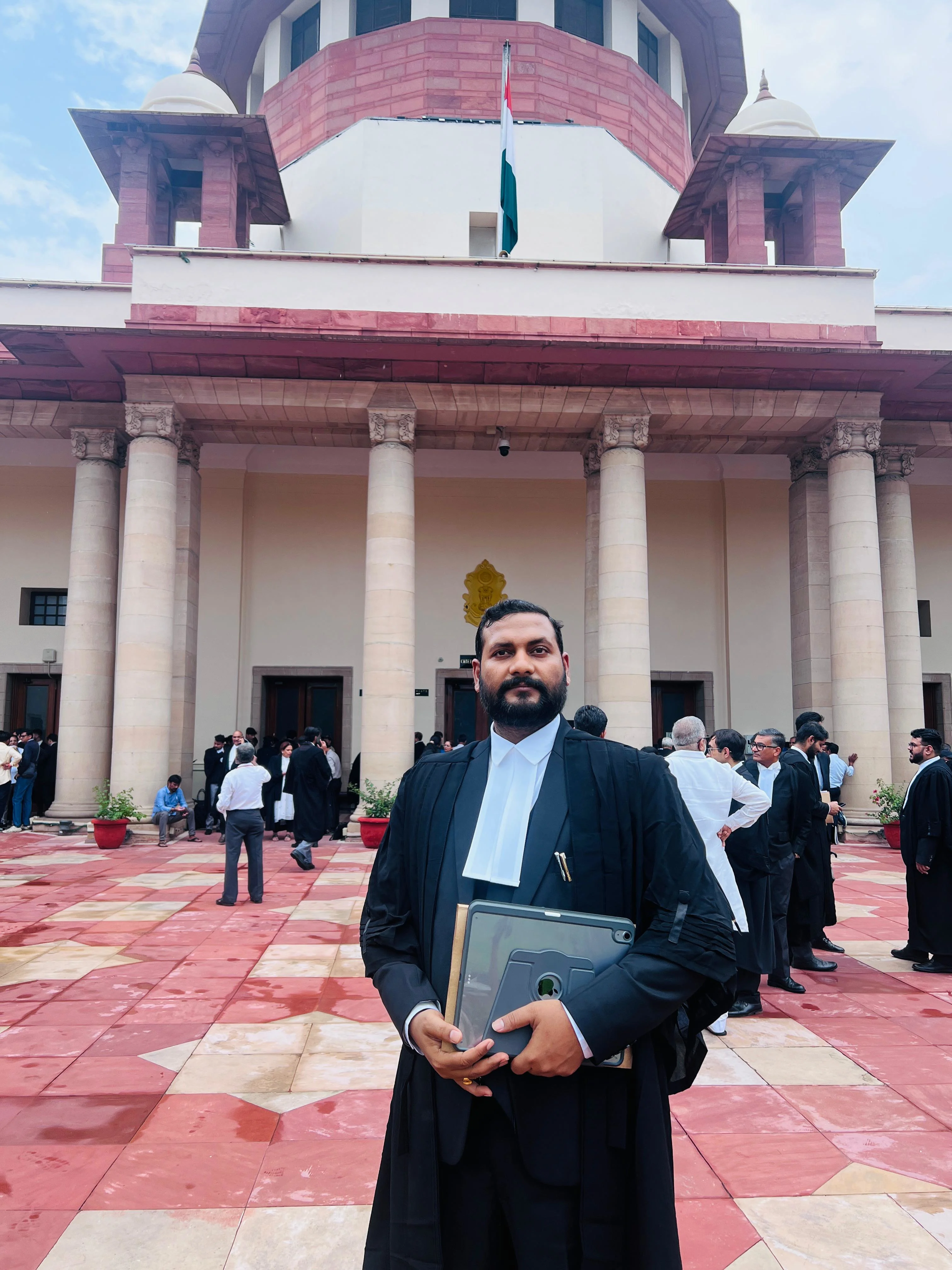
Supreme Court cheque bounce matters require tight drafting, correct annexures, and a clear legal route whether the case is filed as an SLP against a High Court order, a criminal appeal, or an urgent application seeking interim protection. The "Cheque Bounce Lawyer for Supreme Court" team manages the complete workflow: record review, case-law mapping, petition drafting, filing support, and effective arguments on maintainability, limitation, and relief. We also handle post-settlement compounding, quashing challenges, and compliance issues to ensure the matter closes cleanly and does not revive due to technical gaps.
Strong settlement planning that works at the Supreme Court stage including compounding terms, instalment schedules, and enforceable default clauses. We structure settlements to reduce future disputes and present them in a manner that supports swift closure, while staying trial-ready if the matter proceeds on merits.
Supreme Court petitions succeed on precision. We prepare SLPs, criminal appeals, interim applications, exemption applications, and compounding related pleadings with correct chronology, verified annexures, and clean indexing to avoid objections and delays.
From Section 138 timelines and Section 139 presumption to appellate and Supreme Court standards on interference, we build the case around record strength, legal questions, and defensible relief. We curate the evidence trail and procedural history so your matter is Supreme Court-ready from day one.
Clear fee communication, defined milestones, and consistent updates for individuals and businesses across India whose cheque bounce litigation has reached the Supreme Court. We keep the process practical and predictable with documented advice, filing clarity, and next-step planning at every stage.
This section covers cheque dishonour matters arising from cheques issued toward a legally enforceable debt or liability. Supreme Court litigation typically focuses on whether the law was correctly applied, whether procedural fairness was maintained, and whether the relief granted is legally sustainable on the record. Upon conviction, courts may impose imprisonment up to two years, a fine up to twice the cheque amount, or both, depending on the facts.
Our team evaluates the full procedural journey from notice stage to trial, appeal, and High Court proceedings and then frames the Supreme Court challenge around the strongest legal grounds. We ensure petitions are supported by accurate annexures, consistent dates, and clear articulation of error, so the case is presented in a Supreme Court-compatible format aimed at meaningful relief.
Section 139 creates a legal presumption that the cheque was issued for a legally enforceable debt or liability. Supreme Court arguments often turn on how this presumption was applied, whether the defence evidence was properly appreciated, and whether the reasoning meets legal standards. A clean, consistent record and a focused legal narrative help present the issue effectively at the Supreme Court level.
We use this presumption strategically depending on whether you are the complainant seeking recovery-backed closure or the accused seeking protection against an unsustainable finding.
A cheque bounce occurs when a bank returns a cheque unpaid. Common reasons include insufficient funds, account closed, stop-payment instructions, signature mismatch, and exceeds arrangement. Once the statutory steps and timelines are followed, the matter can amount to an offence under Section 138 of the Negotiable Instruments Act, 1881. This page is tailored for clients of "Cheque Bounce Lawyer for Supreme Court" seeking Supreme Court representation and guidance at the final appellate stage.
Has your cheque bounce matter reached the Supreme Court through appeal, revision, or an SLP route? "Cheque Bounce Lawyer for Supreme Court" provides end-to-end drafting, filing support, and arguments focused on record strength, maintainability, and urgent relief when required.
Section 138 is the principal provision governing cheque dishonour in India. When a cheque issued toward a legally enforceable debt or liability is returned unpaid for reasons such as insufficient funds, account closed, or stop-payment, and the statutory steps are met, criminal liability can arise. At the Supreme Court stage, the focus generally shifts to whether the legal standards were correctly applied and whether the impugned orders are sustainable on the record. This guidance is prepared for clients of "Cheque Bounce Lawyer for Supreme Court" seeking Supreme Court representation and final-stage legal clarity.
Drafted for "Cheque Bounce Lawyer for Supreme Court" end-to-end support for Supreme Court litigation including SLPs, criminal appeals, interim protection, compounding and closure assistance in Section 138 matters.
While cheque bounce cases are prosecuted under the Negotiable Instruments Act, certain fact situations may also involve offences under the Bharatiya Nyaya Sanhita, 2023. In Supreme Court matters, these issues typically arise where parallel criminal allegations are added, or where intent, deception, or entrustment is disputed on the record. Applicability is evaluated separately based on evidence and legal ingredients.
Where a dishonoured cheque is alleged to be part of a wider plan of deception, courts may examine ingredients of cheating under BNS section 318, which corresponds to the earlier IPC section 420. In Supreme Court proceedings, the focus often remains on whether the allegations and material meet the legal threshold, and whether separate prosecution is justified on facts.
In fiduciary settings such as partnerships, agency, or trusteeship, misappropriation of entrusted funds may attract BNS section 410, corresponding to the earlier IPC section 406. In Supreme Court disputes, applicability typically depends on documentary proof of entrustment, the nature of control, and the conduct shown on record.