
Live Chat +91-9811561566

NBW in Cheque Bounce Case

  • Expert legal assistance for NBW in cheque bounce cases ensuring timely relief and effective defence under Section 138.
Chat on WhatsApp  +91-9811561566
Get A Free Consultation

A Non-Bailable Warrant (NBW) is one of the most serious things a court can do to someone who is accused of bouncing a cheque under Section 138 of the NI Act. A person usually gets one when they don't show up for court despite being summoned or having a bailable warrant, or when the court thinks they are trying to avoid the legal process. Once an NBW is passed, you are very likely to be arrested, have the police come to your house, and have your work and family life suddenly disrupted.

A lot of salaried workers, small business owners, and professionals don't even know that their case has reached the NBW stage until they get a call, a visit from the police, or a message from court staff. By then, dates have been missed, orders have been placed without them, and things seem to be out of control. At this point, the only safe way to get the NBW back on track is to take structured legal action.

Cheque Bounce Lawyer often helps clients in Delhi NCR with NBW-related problems in cheque bounce cases. We look at the order sheet, case file, previous warrants and summons, and then make a plan to get the NBW canceled, get bail, and stabilize the case. Our goal is clear: to calm you down, keep you from being arrested for no reason, and help you get back into the legal system with a clear plan.

NBW in Cases of Cheque Bounce under Section 138 of the NI Act

When other methods, like summons and bailable warrants, have failed to get the accused to show up, the magistrate issues a Non-Bailable Warrant. In cases of Bounced Cheque, NBW is not used to prove guilt; it is a way for the court to force the accused to show up and take part in the trial. Once an NBW is active, though, the police can carry it out and bring you to court with very little notice.

At Cheque Bounce Lawyer, we help people who have been accused of cheque bounce crimes by helping them plan a safe surrender, file the right applications, and push for the warrant to be recalled and bail to be granted on reasonable terms. We go to magistrate courts in Delhi NCR a lot, and we know what different courts expect when it comes to recalling NBWs, asking for exemptions, and setting conditions for future appearances.

Chat on WhatsApp  +91-9811561566
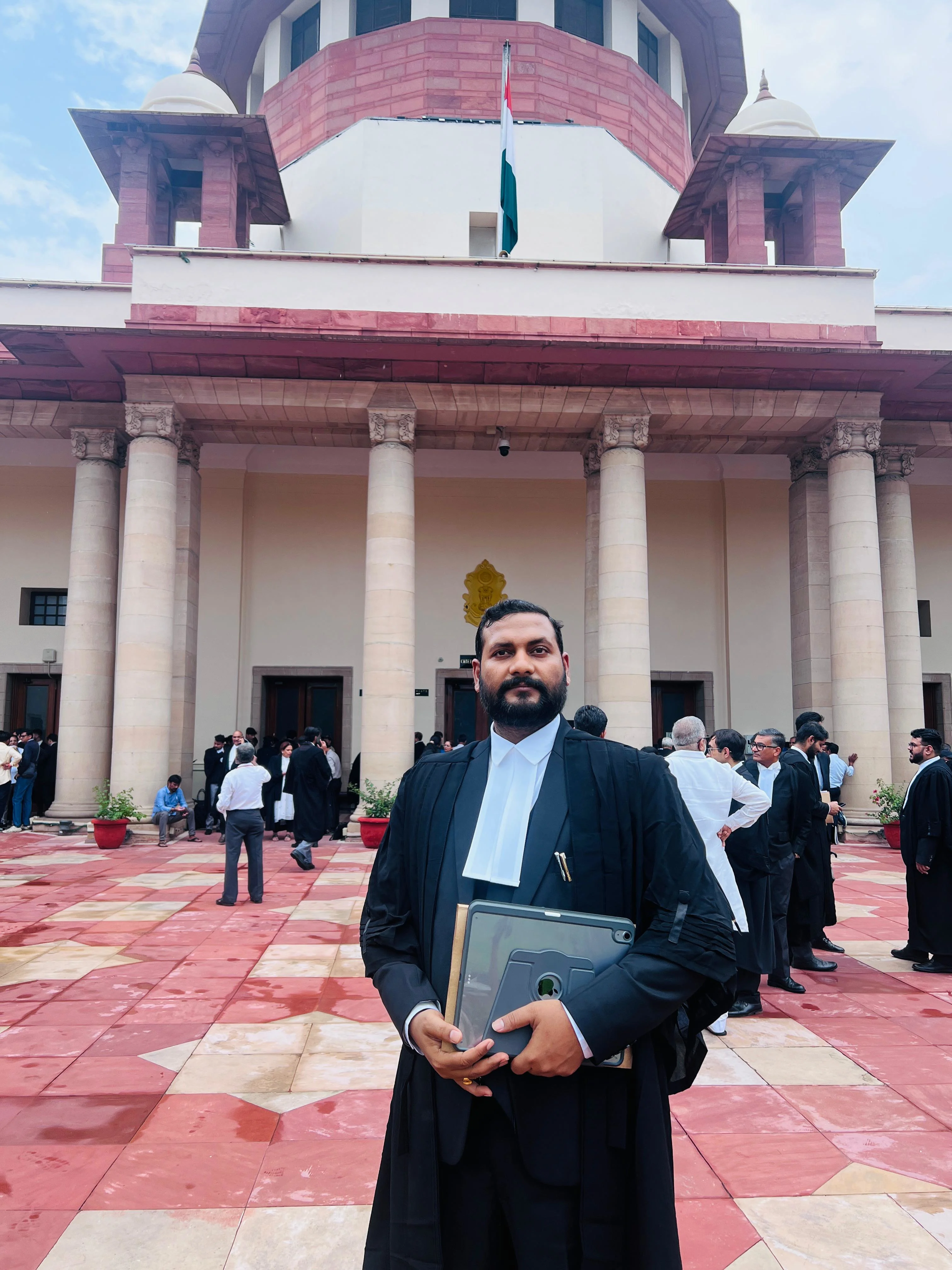
NBW in Cheque Bounce Cases Lawyer in Delhi

How We Help with NBW in Cases of Cheque Bounce

When a Non-Bailable Warrant is issued in a cheque bounce case, Cheque Bounce Lawyer helps with everything from reviewing the file to recalling the NBW, getting bail, planning for future exemptions, and long-term defense or settlement.

What Does an NBW Mean in a Case of a Cheque Bounce?

In a case of a Bounced Cheque, the court can issue a Non-Bailable Warrant if the magistrate is sure that the accused has not shown up even though they were properly served with a summons or bailable warrant. This order gives the police permission to arrest the suspect and bring them to court. It doesn't mean the person is guilty; it just means that the court wants to make sure they show up by using a stronger process.

Important Things to Know About NBW in Cheque Bounce Cases:

In most cases of Section 138 NI Act, NBW includes some or all of the following:

  • Issuance after other steps, like summons and bailable warrants, have failed to get you to court.
  • Giving the police permission to arrest you and bring you before the magistrate on a certain date or as soon as possible.
  • If nothing is done, the NBW could stay open for months, which would make it more likely that it would be suddenly executed.
  • To get the NBW canceled, you need to fill out a formal application, be there in person, and explain why you didn't show up.
  • Usually, this means linking bail conditions, surety requirements, and instructions for future attendance once the NBW is recalled.
  • How your fear of active warrants affects your comfort when you travel, stay in hotels, or go through routine Cheque.

How We Deal with NBW Stages in Your Cheque Bounce Case:

  • Getting the most recent order sheet and making sure that service, warrants, and NBWs were all issued correctly.
  • Writing an NBW recall application that explains real reasons like not being told, being sick, traveling, or having other real problems.
  • Making sure you get to court safely, with your documents, surety, and representation ready.
  • Arguing for the recall of the NBW and the granting of bail on terms that are reasonable for your work and family life.
  • Making a clear schedule for future dates, including applications for exemptions if the court allows them.

Common Reasons for NBW in Cases of Cheque Bounce

Most of the time, NBWs are issued not because the case is very serious, but because the accused missed court dates, didn't update their address, or didn't realize how important early hearings were. Knowing these patterns can help you avoid future NBWs and deal with current warrants more easily.

Common Reasons for NBW in Section 138 Cases:

  • Not responding to the first summons because the amount of money at stake seems small or the issue feels "personal" rather than legal.
  • Moving to a new home or job without changing the address, which means service at an old address.
  • Not being able to pay bail because of travel, health problems, or not getting legal advice in time.
  • Not wanting to show up because of fear, shame, or ongoing but informal settlement talks with the complainant.
  • NRI or outstation accused who only have verbal assurances and no proper exemption or representation orders.
  • When one case is attended to and another is accidentally left unattended, there is confusion.

When you have an NBW, we look at:

  • If the summons and earlier warrants were actually delivered to the right address and in the right way.
  • The time between the last time you went (if you did) and the date on which NBW was issued.
  • Any medical records, travel tickets, proof of work, or other papers that show why you didn't show up.
  • Negotiations or payments that are still going on show that you weren't trying to get away from the dispute.
  • The stage of the case, whether it is at initial notice, evidence, or final arguments, will help you plan what to do next.

How We Get You Ready to Go to Court:

  • Making sure that you have surety documents and proof of identity ready in case the court asks for bonds.
  • Making sure that your legal strategy fits with your bigger goals, like a quick settlement, payments on time, or a full defense.
  • Explaining how the NBW recall hearing usually goes, what questions might come up, and how the court works.

What You Can Do When NBW Is Issued in a Cheque Bounce Case

You still have rights even if a Non-Bailable Warrant has been issued. Indian law says that someone who is accused is innocent until proven guilty, and that warrants are not a punishment but a way to make sure someone shows up. If you know your rights, you can act quickly and with confidence instead of freaking out or putting off the process.

Right to Ask for NBW Recall

If you show up in court voluntarily and explain why you didn't show up, you can ask the court to cancel or recall an NBW. When courts see that you came on your own and are willing to take part in the trial, they often feel sorry for you.

Right to Fair Bail Terms

If you are brought to court on an NBW, you can still ask for bail as long as the conditions are not too strict or impossible to meet. In most cases of bouncing Cheque, bail is the rule and jail is the exception.

Right to Defend, Settle, or Compound

An NBW does not take away your right to fight the Bounced Cheque case or reach an agreement that works for both parties. You can still present evidence, cross-examine witnesses, or ask the court to record a legal compromise after the warrant is recalled.

Right to Respect and Legal Help

You have the right to talk to a lawyer and have them represent you at every step of the NBW process. You also have the right to be treated with respect when you are arrested, brought to court, and appear in court, according to legal protections and court rules.

FAQs - NBW in Cheque Bounce & Section 138 NI Act

Do not ignore the warrant or wait for the police to arrive. The safest step is to immediately contact a cheque bounce lawyer in Delhi, share the case number and orders, and plan an early appearance before the magistrate with a proper NBW recall and bail application. Voluntary appearance with legal support usually results in a more favourable approach than being picked up unexpectedly.

An NBW allows the police to arrest and produce you before the court, but it does not automatically mean long-term custody. In most Section 138 cases, courts are open to recalling the warrant and granting bail, especially if you appear voluntarily, cooperate and give a reasonable explanation for earlier absence. Proper planning and representation greatly reduce the risk of extended detention.

Outstation accused must still address the NBW in the Delhi court that issued it. We help you plan your travel for surrender and bail, prepare the necessary applications, and then seek exemptions for routine dates wherever the law permits. With proper planning and representation, many outstation and NRI clients manage their Delhi NBW matters with limited personal visits.

Yes. An NBW does not prevent settlement. Usually, the first step is to recall the NBW and regularise your appearance. After that, you can negotiate a compromise, record it before the court and request compounding of the offence. We guide you on practical settlement ranges, draft compromise terms and ensure that the final order clearly records closure of the case.

Yes. Our portfolio handling service includes regular MIS and dashboards. We send out summaries of the total number of Cheque, the amounts that are in court, the number of cases at each stage, the number of recoveries, and the number of closures. This way, your management, auditors, and lenders can easily see how you are handling the risk of Cheque bouncing.
​