
Live Chat +91-9811561566

Anticipatory and Regular Bail Applications

  • Anticipatory & Regular Bail Applications in Delhi NCR with Fast, Strategic and Rights-Focused Legal Defenset by Advocate B.K. Singh.
Chat on WhatsApp  +91-9811561566
Get A Free Consultation

In criminal matters, the first 24 to 72 hours after an FIR or complaint can decide everything. Fear of arrest, pressure from police questioning, and sudden court dates can disrupt family life, employment, and business operations. This is where anticipatory bail and regular bail become critical legal safeguards. Whether your case relates to a financial dispute, alleged cheating, domestic allegations, workplace conflict, or any other non-bailable accusation, a timely and well-drafted bail application can protect your liberty and help you face the investigation with dignity.

Courts in Delhi look for clarity of facts, a clean background, cooperation with the investigation, medical or family circumstances, and the absence of flight risk or evidence tampering. A strong bail strategy is not about avoiding law; it is about ensuring a fair process. By organizing your documents, providing clear timelines, and focusing on the right legal reasons, your bail request can tell a fair story that helps you get temporary protection, an early release, or reasonable conditions instead of being held unnecessarily.

Anticipatory and Regular Bail Applications in Delhi Courts

Bail practice in Delhi district courts and High Court-linked criminal matters requires speed, precision, and calm legal planning. Anticipatory bail is typically sought before arrest when you have a genuine apprehension of being taken into custody, while regular bail is filed after arrest to secure release during investigation or trial. Under the new procedural framework, bail and bond provisions are now governed by the Bharatiya Nagarik Suraksha Sanhita (BNSS), which replaced the CrPC on July 1, 2024, with detailed bail provisions broadened to include dedicated

Our team prepares fact-specific bail briefs, drafts strong grounds, manages annexures, and anticipates prosecution objections. We organize medical records, employment proofs, clean antecedent documents, prior notices, and relevant FIR details, while shaping a courtroom-ready narrative that demonstrates cooperation, stability, and low risk. The objective is to help you secure the earliest possible protection or release with practical and reasonable bail conditions.

Chat on WhatsApp  +91-9811561566
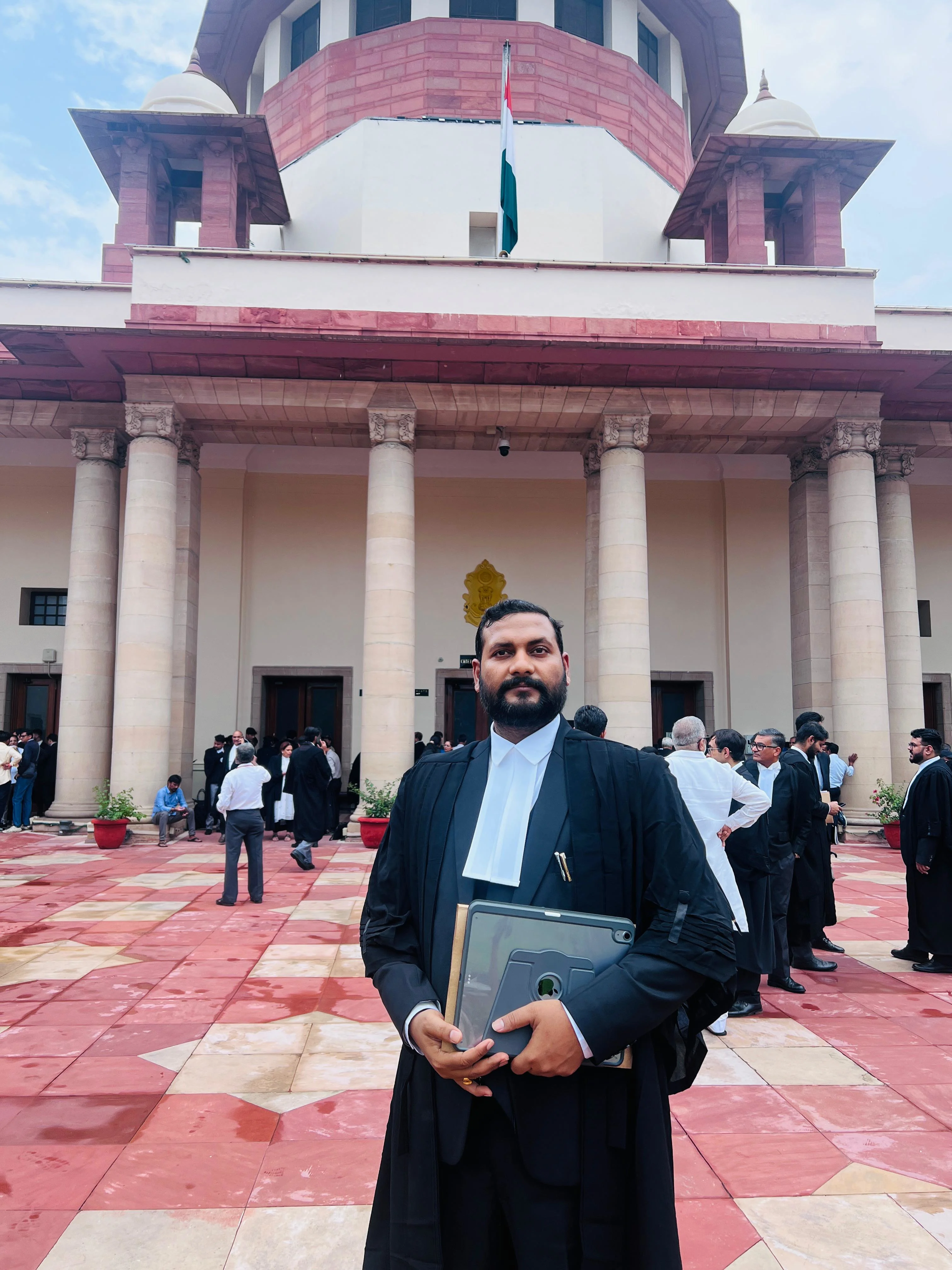
Anticipatory and Regular Bail Lawyer in Delhi

How We Help with Anticipatory and Regular Bail Strategy

Cheque Bounce Lawyer provides structured legal support for anticipatory bail, regular bail, and urgent interim protection in Delhi NCR. We focus on fast drafting, clean documentation, and a clear risk-control narrative so your liberty is protected while the case proceeds through investigation and trial.

Bail Case Audit and Document Readiness
We start by reviewing the FIR, complaint narrative, notice history, prior disputes, and any parallel civil or commercial background. This helps us identify the strongest grounds for pre-arrest or post-arrest relief, the exact sections involved, and documents that show stability, such as proof of residence, business records, salary slips, medical reports, and clean antecedent declarations.
Writing Anticipatory Bail with Strong Reasons
Anticipatory bail requires a crisp explanation of why arrest is not necessary. We structure the application around cooperation, low flight risk, absence of weapon or violence factors (where applicable), and the broader factual context. We also prepare short, judge-friendly timelines that highlight exaggerations, inconsistencies, or the civil nature of certain disputes.
Regular Bail After Arrest and Custody Planning
When an arrest happens, speed matters. We move quickly for regular bail before the Magistrate, Sessions Court, or High Court depending on the offense and stage. Our strategy focuses on medical urgency, family responsibility, weak evidence links, documentary contradictions, and the principle that jail is not the default option for every allegation.
Bail in Financial and Business-Linked Offences
Delhi courts regularly see bail matters arising from loan disputes, partnership fallouts, cheque-related criminal allegations, alleged cheating, breach of trust, and invoice or supply chain conflicts. We present the commercial background carefully so the court can see whether criminal custody is being used as pressure for settlement.
Bail in Family and Sensitive Allegations
In matters involving domestic disputes or emotionally charged allegations, we prioritize a respectful and documentation-led approach. The focus remains on ensuring fair protection of rights, avoiding unnecessary custody, and ensuring that legal processes proceed without harassment, intimidation, or misuse of arrest provisions.
Interim Protection, Conditions, and Compliance
Many bail orders come with conditions like joining an investigation, passport deposit, travel restrictions, or no-contact directions. We help you understand and comply with each condition to prevent cancellation risks. We also prepare follow-up applications if conditions are excessive or need safe modification based on practical realities.
Bail Strategy that Supports Long-Term Defense
A good bail application is the first chapter of your defense story. We align your bail grounds with the future trial posture so your statements, documents, and timeline remain consistent. This not only improves bail success but also reduces risk during discharge, quashing, or full trial stages.

What are anticipatory and regular bail, and how do they keep you safe?

If you have a real and reasonable fear that the police will arrest you for a crime that isn't bailable, you can ask for anticipatory bail before you are arrested. It helps you stay free while you help with the investigation. After an arrest, a regular bail request is made to get someone out of jail or police custody while they are being investigated or tried. This is based on legal grounds and a risk assessment of the facts.

Key Parts of Anticipatory and Regular Bail Work:

Most bail cases have to do with:

  • Looking over the FIR, the complaint, and the exact parts of the law that were used.
  • Checking if an arrest is necessary, if custodial interrogation is necessary, and how strong the evidence is.
  • Making a clean background profile and a plan for working together.
  • Filing for anticipatory bail in the right cases in the Sessions Court or High Court.
  • Filing regular bail right after an arrest with attachments that the judge will like.
  • Managing bail conditions and making sure they are followed safely to avoid cancellation.

Our Practical Courtroom Method:

  • Making a short, chronological timeline of the case to help the court understand things quickly.
  • Writing clear reasons that focus on freedom, helping with investigations, and low risk.
  • Making medical, job, family, and housing documents.
  • Getting ready for prosecution objections with pre-planned legal responses.
  • Aligning bail conditions with long-term defense plans.

Common Errors in Anticipatory and Standard Bail Applications

A lot of bail requests fail not because the person being charged doesn't have a defense, but because the request is rushed, repetitive, or not backed up by clear documents. If you avoid common mistakes, your chances of getting interim protection or release in Delhi courts will go up a lot.

Problems that often come up in Delhi bail cases:

  • One common mistake is filing for anticipatory bail without providing a clear narrative or timeline of events.
  • One common issue is the omission of basic documents that provide information about your identity, place of residence, and criminal record.
  • It is crucial to pay attention to the wording of the FIR and address the important accusations made by the prosecution.
  • Using general reasons that don't fit the facts of the case.
  • We need to ensure compliance with interim conditions and participation in the investigation as required.
  • Going to the wrong forum without a plan for how to organize it.

Before we file your bail, we check:

  • If the crime is bailable or not and which court has the right to hear the case.
  • Status of custody, stage of the investigation, and missing documents.
  • Risk signs include claims of flight risk, witness tampering, or tampering with evidence.
  • Possibility of temporary protection and reasonable bail conditions.
  • The bail narrative should match the strategy for the upcoming trial or quashing.

Your Rights and Protections While You Are Out on Bail

The law about bail is based on the idea of personal freedom and fair process. Even when there are serious accusations, courts must weigh the need for an investigation against people's constitutional rights. Knowing these rights helps you stay calm and obey the law when you are at risk of being arrested or taken into custody.

You can ask for anticipatory bail if you think you might be arrested.

If you really think you might get arrested in a case that can't be bailed out, you can go to the Sessions Court or High Court for pre-arrest protection with the right conditions.

You are entitled to fair legal representation at all times.

A lawyer can help you avoid mistakes in the process and unsafe admissions from the first notice or police call to bail hearings.

You are entitled to fight bail conditions that are unfair.

Courts can limit travel, reporting, or contact. You can ask for changes if the conditions are too strict or not possible.

You are entitled to ask for regular bail after being arrested.

You can request bail after arrest, but the court you go to depends on the crime and case stage.

FAQs - Anticipatory and Regular Bail Applications

Anticipatory bail is sought before arrest when a person fears being taken into custody, whereas regular bail is applied for after arrest to secure release from jail during investigation or trial.

Generally, the application is first filed before the Sessions Court. If required, relief can also be sought from the Delhi High Court, depending on the nature and seriousness of the offence.

FIR copy (if available), identity and address proof, medical documents, employment or business proof, clean antecedent records, and documents showing false implication or civil dispute background.

Yes. Courts often impose conditions such as joining investigation, not influencing witnesses, surrendering passport, or complying with travel and reporting restrictions.

Yes. Bail may be cancelled if the accused violates court conditions, tampers with evidence, threatens witnesses, absconds, or misuses the liberty granted by the court.
​